
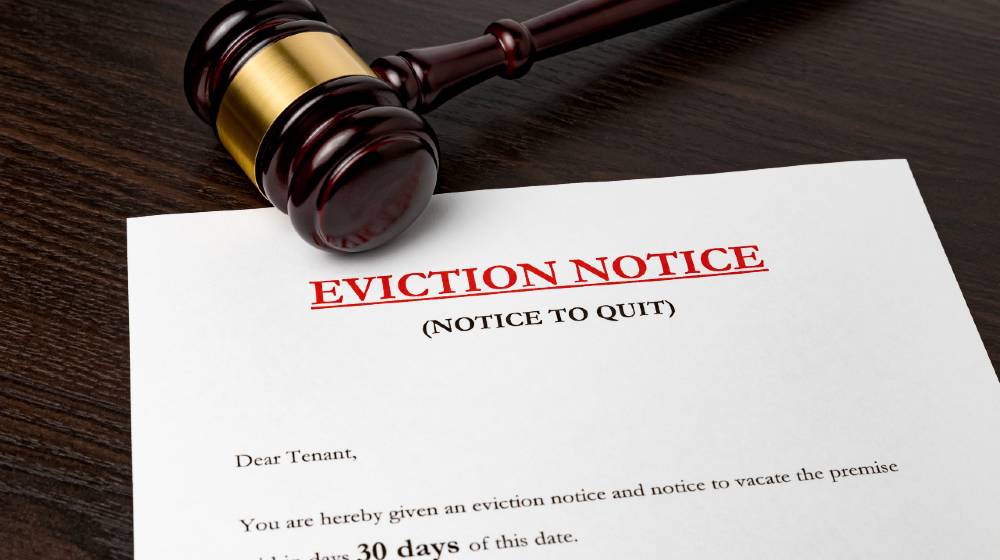

The federal eviction moratorium expired Saturday, after a one-month extension ordered by President Joe Biden. What happens next to the millions of Americans who foregone paying the rent during the earlier pandemic?
RELATED: What Every Person Facing Foreclosure Should Know
Federal Eviction Moratorium Expired July 31
The federal eviction moratorium managed to keep many Americans from forced evictions during a time when many lost their jobs. Last September, the US Centers for Disease Control and Prevention recommended the freeze on evictions under the guise of preventing the spread of COVID-19.
It turned out to be the only working solution that kept millions of jobless tenants in their rented homes. However, the moratorium expired last Saturday, and landlords are now getting ready to collect what’s due them.
Landlords pleaded with the court that they also have bills to pay. Unlike their tenants, however, they do not have access to $47 billion in federal aid that can help pay rents and other expenses.
Unfortunately, the distribution of federal rent aid is taking a lot of time. Advocates are calling for another extension until the funds reach the intended recipients. Otherwise, they said that renters should brace for evictions and lawsuits.
3.6 Million Americans Face Evictions By August/September
According to the US Census Bureau, around 3.6 million Americans face eviction within the next two months. But more importantly, they will need to pay back missed payments in order to avoid eviction proceedings.
However, any missed payments might require paying landlords a late fee. This depends on existing agreements made between landlords and tenants.
With the eviction moratorium expired, tenants who are behind in their rent payments are now facing getting thrown out. Even with the moratorium in place, however, landlords can still evict tenants if the lease expires at any time.
It turns out that the moratorium only covers the nonpayment of rent. Other conditions such as lease expiration or breach of the agreement can still lead to evictions.
Some States Issued Legislation To Protect Tenants
In addition, legislation prohibiting landlords from charging late fees during the COVID-19 pandemic is available in some states only. Then, there are states who extended the moratorium on their own.
These are California, New York, New Jersey, New Mexico, Hawaii, Illinois, Maryland, Minnesota, Washington, and Washington DC. In addition, Nevada, New York, Massachusetts, and Oregon all have laws that will defer evictions for tenants with pending rent relief fund applications.
If your state has neither eviction moratorium extensions nor deferments for relief applications, landlords can start the eviction process already. They can issue a notice of eviction beginning today.
Why Didn’t The Federal Government Extend the Eviction Moratorium?
The Supreme Court voted to not end the eviction program and let it expire on July 31. Justice Brett Kavanaugh wrote the SC’s opinion that the monthlong extension is more than enough to collect rental assistance for Americans who applied.
After the SC’s decision, the White House cannot issue an order anymore to extend the freeze. Instead, Americans will need Congress to pass new legislation to extend it. They didn’t manage to do so.
Watch the KTNV Channel 13 Las Vegas video reporting that the federal eviction moratorium expired:
Do you agree with not extending the eviction moratorium, even as rental assistance funds have yet to reach renters?
Let us know what you think about evicting tenants on the basis of nonpayment of rent.