
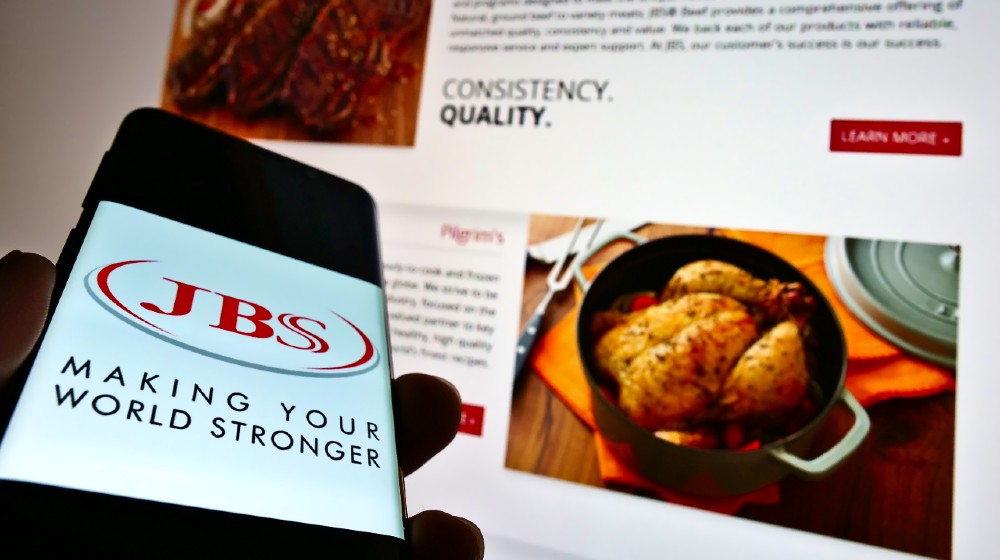

JBS, the world’s largest meat supplier, suffered a massive cyberattack over the weekend. By late Tuesday, the company said that its systems are coming back, including some US and Australian operations that went offline.
RELATED: Colonial Pipeline Shutdown Leads to Panic Buying
World’s Largest Meat Supplier Under Cyberattack
In a statement, JBS said it made progress resolving the cyberattack. As a result, a vast majority of its plants will resume operations by Wednesday.
As of Tuesday, several pork, poultry, and prepared food plants are back in operation. The beef plant in Canada resumed production as well.
According to JBS USA CEO Andre Nogueira, they are addressing the problem head-on. “Our systems are coming back online and we are not sparing any resources to fight this threat.
We have cybersecurity plans in place to address these types of issues and we are successfully executing those plans,” he said.
Ransomware
On Tuesday, the United Food and Commercial Workers International Union said that JBS suspended operations at its nine beef processing plants across the United States.
It shut down after getting hit with ransomware. Earlier, company officials sent word to the White House Sunday about the malicious attack. JBS said that the breach is an extortion attempt by a Russian cybercriminal group.
The JBS cyberattack is the latest in a rash of recent high-profile cases that showed security weaknesses of corporations, agencies, and civil groups.
Last month, foreign hackers successfully staged a ransomware attack on Colonial Pipeline, holding the firm’s software operations hostage as they demanded money in exchange.
Colonial reportedly paid the ransom, rather than risk prolonged delays in its fuel shipments across its pipeline. The company transports oil and fuel from Texas to the East Coast.
As a result of Colonial’s shutdown, panic buying and shortages occurred even in places outside of the pipeline’s coverage.
Extent of the JBS Cyberattack
Experts say that determining the ransomware’s effect on meat supply chains is too early to tell. Either way, the attack comes at a very bad time. The meatpacking industry has yet to recover from the disruptions it suffered before and during the pandemic.
JBS already briefed US President Joe Biden on the ransomware attack on Monday. The president directed the administration to monitor the issue closely and to assess any impact on supply or prices, said a White House official.
The official spoke on the condition of anonymity. In addition, the company also said it remains unaware of any evidence at this time the attacks compromised any customer, supplier, or employee data.
Cyberattack Sunday
In an earlier news release, JBS said its systems detected the intrusion on its computer networks in North America and Australia on Sunday.
It also confirmed that its backup servers remained intact and did not sustain any breaches. The company also warned that the ongoing work to resolve the matter “may delay certain transactions with customers or suppliers.”
Consequently, ransomware attacks are becoming lucrative for hackers. These criminal groups search for vulnerabilities inside a company’s networks and exploit them to gain access.
Once in, they take control of the software system and lock it to prevent anybody from accessing important data. As a result, businesses need to pay the ransom in exchange for a key to unlock the system.
Watch the CNBC Television video reporting that meat supplier JBS shuts down six US plants after major cyberattack:
Do you think that JBS should pay the undisclosed ransom to solve the problem? Also, do you think it can afford to ride out the current disruption?
Let us know what you think about ransomware and other cyberattacks. Share your comments in the comment section below.