

Image Source: YouTube
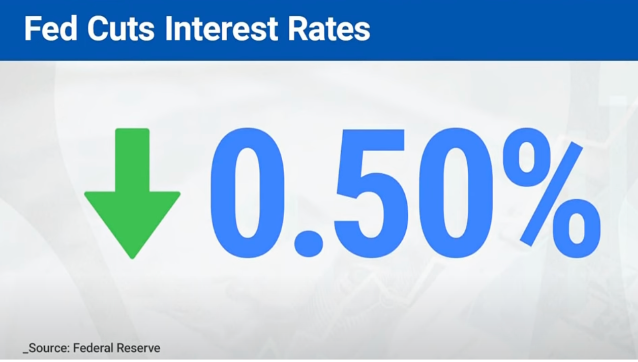
The Federal Reserve is expected to deliver an interest rate cut this week, the first in months, and investors are weighing the consequences. With the stock market hovering at record levels, the question is whether this move will sustain the rally or disrupt it. Portfolios that have ridden the momentum of recent months may soon face a different market rhythm.
The Stakes Behind the Fed’s Interest Rate Cut
The anticipated interest rate cut is intended to ease financial conditions and support growth. Lower borrowing costs often stimulate consumer spending and business investment. Historically, equity markets tend to cheer these moves in the short term, with growth stocks benefiting most from cheaper financing.
But the current context is different. Inflation pressures remain, and some analysts warn that aggressive easing could signal deeper concerns about economic resilience. According to MarketWatch, prior rallies tied to rate cuts have sometimes faltered when investors interpreted the Fed’s move as a sign of weakness rather than strength.
Barron’s noted that while cuts can boost liquidity, they may also raise doubts about earnings durability. If corporate profits do not keep pace with valuations, the market’s reaction could turn quickly. For investors, this means the cut is both an opportunity and a potential risk.
Rally or Reversal? The Scenarios at Play
The reaction will hinge not only on the size of the rate cut but also on the Fed’s forward guidance. If policymakers pair the move with cautious projections, investors could interpret the cut as a defensive maneuver. That might cool enthusiasm and send indexes lower. On the other hand, if the Fed strikes a confident tone, the rally could extend.
Investing.com outlined a playbook for navigating this uncertainty. Shorter-duration bonds may provide stability if equities wobble, while high-quality dividend stocks can offer reliable income streams. Investors with exposure to speculative growth names should evaluate whether those positions can withstand volatility triggered by shifting expectations.
Positioning Portfolios for the Fed’s Decision
Historical data shows the first rate cut often brings turbulence. Since 1980, the S&P 500 has delivered an average return of 14.1% over the twelve months following the cut, but returns in the first one to three months tend to be flat or even negative. Investors must expect early volatility.
Investors should lean into a two-phase sector rotation. In the early months post-cut, defensive sectors such as healthcare, consumer staples, and utilities tend to outperform. Once the “cut-cycle” gains traction, growth-oriented sectors like technology, consumer discretionary, real estate (REITs), and small-mid caps often lead the market.
In cross-asset playbook terms: Treasury bonds usually rally immediately after cuts. Long-duration Treasuries tend to offer 5-10% returns in the year following cuts, particularly when yields fall sharply. Gold also often benefits in that environment — when real interest rates drop, gold can gain 10-15% as a hedge.
Core portfolio recommendations include maintaining equal-weight S&P 500 exposure to capture breadth, adding tactical positions in REITs and selected technology, and holding core bonds and gold for ballast during the early “bumpy” phase. Cash or short-term Treasuries provide flexibility to buy dips when volatility strikes.
Risk management must be active. If earnings growth lags or inflation reaccelerates, markets could punish overvalued sectors. Investors should stay patient, avoid chasing returns in speculative growth names, and preserve flexibility with liquid assets. The soft-landing cycles of 1995 and 2019 provide a useful precedent: promising returns if one weathers the early months.
The Fed’s decision will shape investor psychology for months ahead. A well-prepared portfolio should not depend on one outcome but should position for resilience across scenarios. Whether the cut fuels another leg higher or triggers a correction, investors who plan ahead will be better equipped.
CTA Question: Do you believe this week’s interest rate cut will sustain the stock market rally or trigger a reversal? Tell us what you think.