
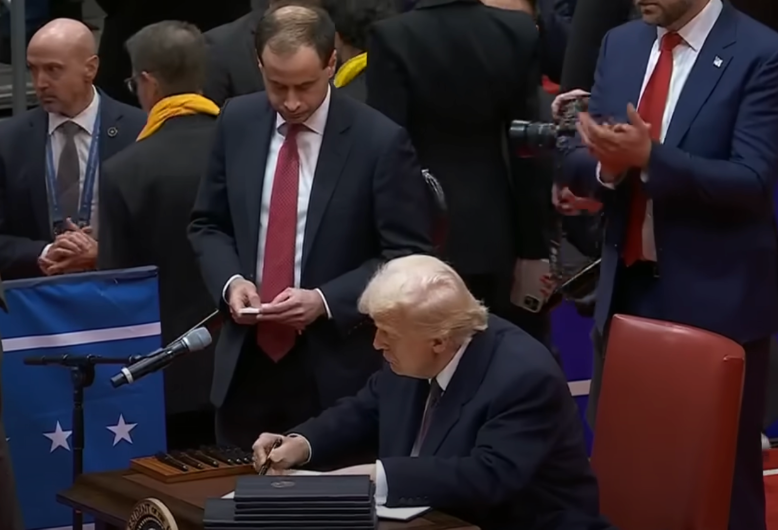

Source: YouTube
President Donald Trump wasted no time delivering on his campaign promise to address what he termed the “electric vehicle (EV) mandate.” On his first day in office, he signed an executive order aimed at eliminating regulations compelling automakers to prioritize electric vehicles. This move has sparked intense debate, with some praising it as a return to free-market principles and others warning it could harm the U.S.’s competitiveness in the global auto industry.
Understanding the EV Mandate and Its Controversial Features
Though often referred to as a “mandate,” the EV policy targeted by Trump involves stringent emissions regulations introduced during the Biden administration. These rules were designed to reduce greenhouse gas emissions, with automakers expected to comply by increasing the production of electric and hybrid vehicles. Coupled with consumer incentives like the $7,500 EV tax credit, the EV mandate sought to accelerate the U.S. transition to electric vehicles. Critics, however, argued that these regulations distorted the market, forcing automakers to prioritize EV production at the expense of consumer choice.
Trump’s executive order, part of a broader energy-focused agenda, directs federal agencies to review emissions regulations and eliminate subsidies that favor EVs. It proposes revising EPA rules that required up to 50% of vehicle sales to be electric by 2032 and suspends federal funding for public charging stations. These measures aim to reduce government interference, allowing automakers to decide their product mix freely.
The Fallout for U.S. Automakers, Including Tesla
The president’s decision to dismantle the EV mandate has already created waves in the auto industry. Manufacturers like Ford and General Motors, which invested heavily in electrification, may need to reconsider their strategies. The rollback could reduce regulatory pressure, but it also risks disrupting investments that these companies have already committed to EVs.
American EV maker Tesla faces a unique scenario. CEO Elon Musk, a vocal Trump supporter, saw Tesla benefit significantly from subsidies tied to the EV mandate. While the company’s established Supercharger network gives it a competitive edge, the suspension of federal funds for charging infrastructure could slow expansion efforts. Tesla’s reliance on a healthy EV market means the broader impact of these changes could eventually affect its growth. With Trump’s EO abolishing the mandate, it remains unclear how Tesla or Musk can maintain their edge over their rivals.
What’s Next for the U.S Auto Industry?
Supporters of the EV mandate’s removal argue it restores consumer choice, allowing buyers to decide whether to purchase EVs, hybrids, or traditional vehicles without regulatory pressure. They believe this shift could lead to more affordable car options and encourage competition among automakers.
Opponents counter that eliminating incentives and reducing infrastructure funding could hinder EV adoption in the U.S., especially as other countries accelerate their push toward electrification. Europe and China, where EVs already dominate a significant share of the market, may leave the U.S. lagging in global competitiveness. Trump’s decision reflects his administration’s focus on free-market policies. However, the EO’s success depends on overcoming legal challenges and addressing the risk of America falling behind in the global EV race.
Do you agree with President Donald Trump’s decision to abolish the EV mandate? Tell us why or why you think this is a good idea.