

Source: YouTube
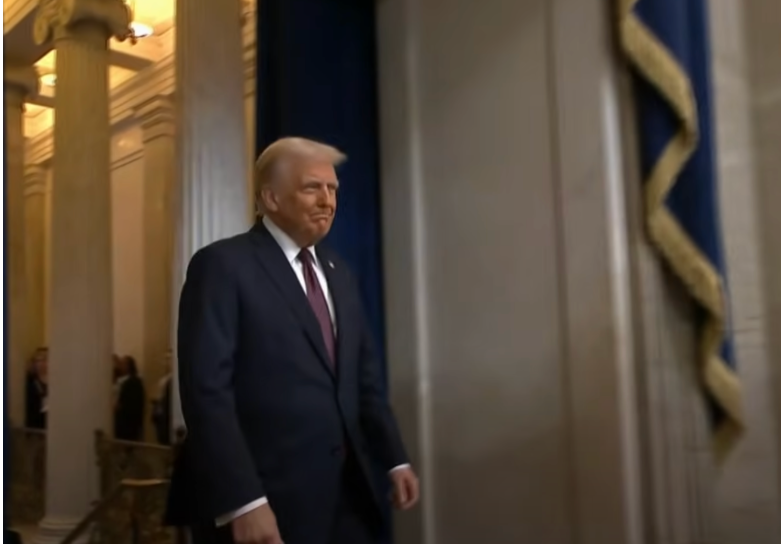
President Donald Trump’s first 100 days of his second term have delivered the worst stock market start for any president since Richard Nixon. From January 20 to April 25, the S&P 500 has fallen by 7.9%, according to CFRA Research, marking the second-worst performance since 1973. Back then, Nixon presided over a 9.9% plunge as economic instability and political scandal shook investor confidence. Historically, the S&P 500 rises by an average of 2.1% during the first 100 days of a new presidency, based on data from postelection years between 1944 and 2020. Trump’s numbers have stunned analysts and investors, especially given the early optimism that followed his reelection. From Election Day to Inauguration Day, the S&P 500 rose 3.7%. However, that momentum quickly evaporated once the realities of his trade policies hit the market.
Where Trump Went Wrong in His First 100 Days
The decline in stock prices has been largely tied to President Trump’s aggressive tariff strategy. His announcement of “reciprocal” tariffs sparked fears of a global trade war, rattling investors and businesses alike. In April, the S&P 500 briefly entered bear market territory after a two-day, 10% drop, fueled by uncertainty around tariff implementations.
Consumer sentiment plunged to its fourth-lowest level on record, according to the University of Michigan. Inflation expectations also rose, with many Americans bracing for higher costs on goods and services. A CNN poll conducted by SSRS found that 60% of U.S. adults believe Trump’s policies have increased their cost of living, while only 12% feel that prices have come down.
The quick shift from optimism to skepticism reflects concerns over Trump’s unpredictable economic policies. Airlines are cutting flights, companies are issuing weaker earnings guidance, and container shipments from China have fallen sharply.
What Trump Got Right Despite the Market Slump
Despite these challenges, Trump’s first 100 days have not been without positives. Inflation has cooled to around 2.5%, down from pandemic-era highs. Unemployment remains historically low, suggesting that the economy still has underlying strength.
Trump’s promotion of domestic manufacturing has also received attention from corporations considering a shift in their production strategies. The administration’s emergency price relief executive order signaled some responsiveness to public concern about the cost of living, even though tangible results have been limited so far.
How the Trump Administration Can Turn It Around
Providing a clear, stable trade policy would ease market fears and encourage business investment. Consistency is key for restoring investor confidence.
The President could further support domestic manufacturing by offering targeted tax incentives instead of relying mainly on tariffs. Positive investment incentives often work better than punishment-driven trade barriers.
Investors should focus carefully on sectors that could benefit if the administration follows through with stability measures. Manufacturing, infrastructure, and select consumer sectors may present new opportunities as the White House adapts its strategy. While the first 100 days have been rocky, the story is far from over.
After a rocky first 100 days, can Trump’s strategy adjustments turn market sentiment back to positive territory? Tell us if you agree with this observation.
Survey: