
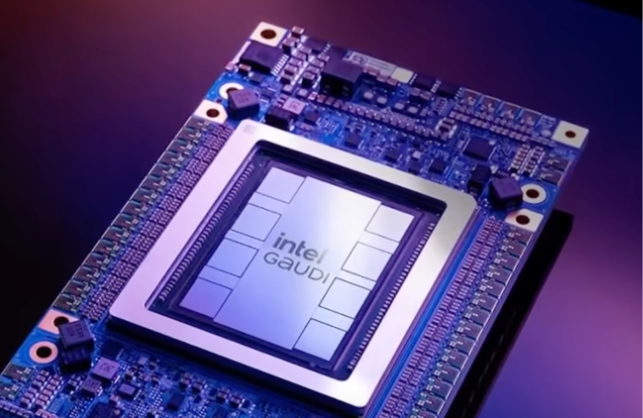

Image Source: YouTube
Nvidia’s $5 billion investment in Intel has reshaped the semiconductor conversation overnight. The announcement sent Intel’s stock surging by 23 percent on Thursday, while Asian suppliers tied to Intel rode the momentum into Friday’s trading session. For investors, the deal signals immediate opportunities but also introduces new questions about the long-term balance of power in the global chip market.
Supplier gains in Asia were widespread, from packaging firms in Taiwan to component makers in South Korea. Markets reacted quickly to expectations that Intel’s strengthened partnership with Nvidia would boost demand throughout its supply chain. Analysts point out that such momentum could create short-term trading opportunities, but caution that any cooling in U.S.-China tech relations might bring volatility back just as quickly.
Short-Term Gains for Suppliers
In Tokyo, Seoul, and Taipei, shares of Intel’s supply partners climbed as much as 12 percent following the announcement. The surge reflects expectations that Nvidia’s investment will translate into higher orders for processors, advanced packaging, and testing capacity. For traders, the next few weeks may present rare momentum plays in Asia’s semiconductor subsectors.
Yet rapid moves come with risks. Intel’s suppliers are already operating at thin margins, and scaling up quickly could strain balance sheets. Some analysts warn that the market is pricing in benefits that may take quarters, not days, to materialize. For disciplined investors, watching order books and earnings guidance will be more telling than short bursts of trading enthusiasm.
Long-Term Shifts in Global Strategy
Beyond the immediate price action, the Nvidia investment signals a deeper realignment. By putting $5 billion into Intel, Nvidia strengthens its position against rivals such as AMD and Arm, while giving Intel the resources to accelerate its foundry ambitions. If successful, the deal could help the U.S. chip sector reassert independence from Asian manufacturing hubs, reducing exposure to geopolitical risk.
But not all observers are convinced this marriage will work smoothly. Intel’s foundry strategy has been plagued by delays, and some doubt whether Nvidia’s backing will be enough to close the gap with Taiwan’s TSMC. Others suggest that Nvidia, traditionally a fabless company, could find Intel’s capital-intensive culture difficult to navigate.
What Investors Should Watch
For equity markets, the next test will come in earnings. If Intel can show that Nvidia’s money is translating into new contracts, supplier revenue, and capacity expansion, the bullish reaction will be justified. If not, traders may take profits and rotate elsewhere in the sector.
Longer term, the Nvidia-Intel partnership could reshape global supply chains and policy debates. Washington has supported U.S.-based chip manufacturing with subsidies, but whether Intel can deliver at scale remains the open question. Investors should be mindful that geopolitical pressure, trade rules, and national security concerns are now inseparable from balance sheets in the semiconductor sector.
How should investors position themselves after Nvidia’s $5 billion bet on Intel? Tell us what you think.