

Image Source: YouTube
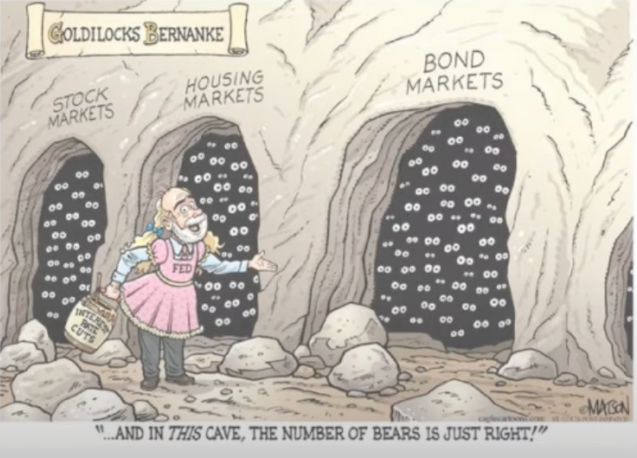
The U.S. economy appears to be in a modern version of the Goldilocks phase, where growth remains steady, inflation is cooling, and job markets are stable without overheating. Goldman Sachs said this week that this balance, combined with continued optimism over artificial intelligence and the prospect of lower interest rates, is keeping markets on an upward path. The firm’s analysts argue that the economy is strong enough to avoid recession but moderate enough to allow the Federal Reserve to keep easing monetary policy.
AI Growth and Monetary Easing Keep the Balance Intact
Goldman Sachs strategist Christian Mueller-Glissmann described the current climate as one where both consumers and investors are benefiting from stability. “The Goldilocks narrative is surviving longer than many expected,” he said in the firm’s latest note, titled Goldilocks Continues to Escape the Bears. The report highlighted the interplay between Fed policy and investor enthusiasm for artificial intelligence as the foundation of the market’s resilience.
The Federal Reserve’s recent signals of further rate cuts have bolstered confidence that the economy can sustain growth through 2026. Traders now expect one or two more rate reductions before the year ends. These expectations, along with easing inflation and robust corporate earnings, have kept the S&P 500 near record levels. Tech and AI-focused companies continue to dominate gains, while sectors tied to consumer spending also show signs of strength.
Goldman Sachs analysts said that this mix of gradual inflation cooling, stable hiring, and strong business investment supports their case for a prolonged soft landing. “We are seeing the ideal scenario play out,” the note said. “Inflation has moderated without destroying demand, and earnings growth has remained healthy.”
How the Goldilocks Economy Sustains Itself
The Goldilocks economy rests on a delicate equilibrium between strong demand and restrained inflation. Lower energy prices and normalized supply chains have helped keep consumer costs under control. Meanwhile, productivity improvements, many driven by AI and automation, are helping firms protect margins even as wage growth slows slightly.
Economists describe this period as one of controlled expansion. Businesses are hiring, but without bidding up wages at a pace that reignites inflation. Consumers remain cautious yet continue to spend steadily, supporting retail and service sectors. The labor market’s steadiness has allowed policymakers to manage inflation from the supply side instead of relying solely on rate hikes.
For investors, this balance is critical. It creates a window where corporate profits rise and financing costs decline simultaneously. Many analysts view this as the most favorable combination for equities. Goldman Sachs said that while short-term volatility remains possible, the fundamental picture continues to justify optimism.
Will the Current Goldilocks Economy Last?
The key question for investors is how long this balance can hold. Goldman Sachs believes it could last well into next year, assuming no major geopolitical or supply shocks disrupt markets. Inflation expectations remain stable, and productivity gains from AI are expected to cushion growth even if consumer demand slows modestly.
Still, some economists warn that the Goldilocks economy carries hidden risks. If inflation proves stickier than forecast or global demand weakens, the balance could tilt toward stagnation. “The biggest threat isn’t overheating—it’s exhaustion,” said Mueller-Glissmann. “If confidence fades faster than growth adjusts, markets could cool abruptly.”
Investors are closely watching the Federal Reserve’s next policy statement for clues on timing and pace. A slower easing cycle could trigger brief market pullbacks, but analysts expect investors to view them as buying opportunities rather than signals of a downturn. For now, the data supports the idea that the U.S. economy is still growing at a sustainable pace while prices remain manageable.
As one Goldman economist put it, “Goldilocks is alive and well—just older and more careful about where she walks.”
Do you think the Goldilocks economy can continue through 2026, or will slowing demand finally end the balance? Tell us what you think.