
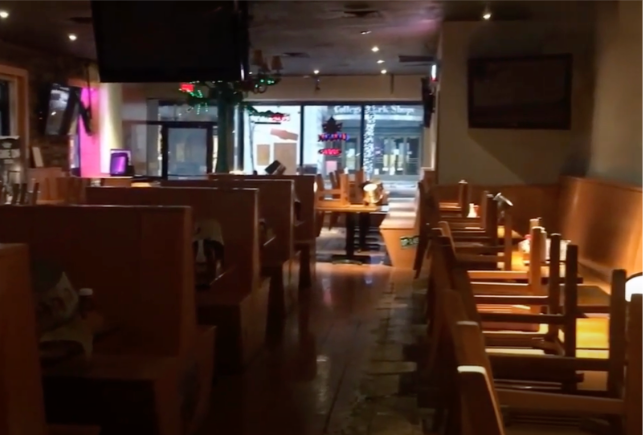

Image source: YouTube
As food and labor costs climb, American restaurants are navigating one of the most challenging operating environments in years. Recent industry data shows a combination of higher wholesale food prices, labor shortages, and declining foot traffic that is testing the resilience of both independent eateries and national chains.
In June, food costs for restaurants were up about 21% compared to the same month in 2021, according to the Producer Price Index. That increase outpaced the 17.5% rise in wholesale prices across all goods during the same period. Staples like beef, coffee, and eggs have seen notable price hikes, leaving operators with little room to absorb costs before margins tighten. With profit margins averaging between 3% and 5%, even a small rise in expenses can force difficult decisions.
Labor availability has been another persistent strain. Since 2021, small business surveys from the National Federation of Independent Business have ranked finding qualified staff among the top challenges among dining owners and operators. Many restaurants must choose between raising wages to attract applicants or operating with fewer employees. For smaller operators, both options carry financial risk. Immigration crackdowns have further tightened the labor pool, particularly in markets that historically rely on undocumented workers. In 2024, an estimated one million undocumented workers were in the restaurant industry, which is a number now likely lower.
Consumer Spending Trends Turn Against the Industry
More importantly, slower customer spending compounds these pressures. Commerce Department data shows that in the first half of 2025, U.S. restaurants and bars experienced one of their weakest six-month stretches of sales growth in the past decade. That performance was worse than during parts of the pandemic, when lockdowns kept dining rooms closed.
Analysts note that low-income households have been cutting back on meals out for years due to inflation, and now middle-income consumers are also limiting discretionary dining. The FT reports Americans ate one billion fewer meals at restaurants between January and March compared to a year earlier, with visits to fast-food restaurants down 2.3% in the second quarter. Executives at McDonald’s, Wendy’s, and KFC say breakfast traffic, which is often the first meal consumers cut, is seeing the steepest declines.
Publicly traded chains have adjusted their strategies in response. McDonald’s extended its $5 meal deal to draw in value-conscious diners, while IHOP and Applebee’s have leaned on “barbell” pricing strategies that offer entry-level value meals alongside premium items to entice upsells. Despite these efforts, restaurant visits nationwide are down about 1% this year compared to 2024, according to Black Box Intelligence.
Regional and Brand-Level Performance Diverges
Performance has varied widely by region and brand. The Federal Reserve’s latest Beige Book noted strong restaurant traffic in parts of New York City, especially Brooklyn, but reported depressed volumes in the Southeast as customers opted to eat at home. Full-service chains like Texas Roadhouse and Olive Garden have generally fared better than fast-food operators, benefiting from steady demand for dine-in experiences.
In contrast, fast-food brands have faced sharper declines. Wendy’s, Pizza Hut, and KFC all reported negative same-store sales in recent quarters. Axios notes that the industry’s “value wars” are intensifying, with operators offering deep discounts that can hurt profitability if they fail to drive enough traffic. For investors, this divergence underscores the importance of segment and geographic positioning in the restaurant sector.
Meanwhile, supply chain and commodity costs remain volatile. Beef prices in particular continue to pressure steak-heavy concepts, while coffee and cocoa price fluctuations affect bakeries and cafes. Tariff-related uncertainty adds another layer of unpredictability for menu planning and cost control. Restaurants reliant on imported ingredients may see additional price swings if trade tensions escalate.
The combination of higher operating costs and weaker demand is forcing some operators to innovate. New menu items, localized promotions, and off-premise offerings are common tactics. However, these approaches require investment and carry no guarantee of reversing traffic declines in the current environment.
For investors, the industry’s current state suggests that selectivity is critical. Concepts with strong value propositions, efficient operations, and diversified revenue streams are better positioned to weather the slowdown. Those reliant on a narrow customer base or premium pricing may face greater volatility if consumer spending softens further.
Should investors favor American restaurants with aggressive value pricing or those focused on premium experiences during this slowdown? Tell us what you think.