

Image source: YouTube
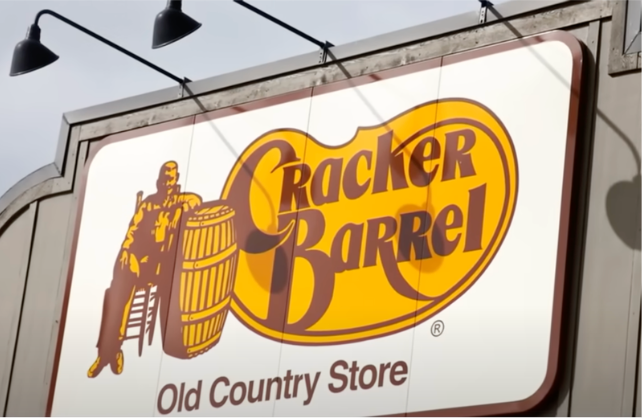
Cracker Barrel announced it will return to its traditional logo after strong backlash to a redesign many customers viewed as unnecessary and “too woke.” The decision, which drew widespread attention on social media and national outlets, underscores the risks companies face when they step too far from their established identity. For investors, the episode offers a business case study in the value of brand consistency, customer trust, and the financial consequences of cultural missteps.
The restaurant chain unveiled a revised logo earlier this year, hoping to modernize its image. Instead, the design was criticized as bland and detached from the brand’s Southern heritage. Loyal patrons who associated Cracker Barrel with tradition and nostalgia responded negatively, accusing management of chasing trends rather than honoring the company’s roots.
Cracker Barrel’s logo backlash cost the company a significant chunk of its market value. Reports indicate the rebrand wiped out between $94 million and $143 million in value, with Bloomberg tracking a 7.2% stock slide equating to nearly $100 million, while Fox Business cited a broader $143 million loss amid a 10% drop in share price. The reaction grew loud enough to force leadership to walk back the change, returning to the classic “Old Timer” logo that had defined its brand for decades.
Backlash and Business Risk
Cultural positioning plays a growing role in consumer-facing companies. Cracker Barrel’s misstep shows what happens when brand changes conflict with customer expectations. Once consumers feel alienated, even a minor shift like a logo can ignite broader questions about whether a company still reflects their values. This type of backlash can move quickly in the digital age, creating reputational and financial risk.
The controversy also illustrates the limits of “modernization” in industries built on tradition. Cracker Barrel’s appeal has long rested on nostalgia, from its décor and food to its imagery. By downplaying that connection, management invited a clash with its core customer base. For investors, the episode shows that efforts to rebrand without clear alignment to customer identity can reduce long-term value.
Cracker Barrel’s Lessons for Investors
From an investment perspective, the story is not just about aesthetics. It highlights how customer trust translates into shareholder value. Companies that alienate their most loyal supporters risk more than just reputational harm. They risk sales declines, reduced loyalty, and added marketing costs to repair the damage.
History shows that businesses with strong, consistent brands tend to deliver better financial performance over time. Investors often reward companies that preserve identity while adapting in less disruptive ways. Cracker Barrel’s reversal reflects recognition that its brand equity lies in continuity. Leadership’s decision to admit a mistake and restore the traditional logo suggests management realized the cost of ignoring its audience.
The case also fits into a broader trend of companies facing pressure to align with cultural or political narratives. While some firms have succeeded by tying their identity to progressive causes, others have found that their customer base resists those moves. For investors, the takeaway is clear: brand strategy must be weighed not only against cultural momentum but also against the expectations of the core market.
Cracker Barrel’s Return to Old Logo Restores Brand Clarity
Cracker Barrel’s return to its old logo may not erase the backlash, but it restores clarity around its brand. For investors, the episode is a reminder that not all modernization efforts add value. Sometimes, the safer bet is to maintain continuity and focus on operational improvements rather than risky aesthetic or cultural gambits.
As the debate continues, the company’s share price and consumer sentiment will reveal whether the decision stabilizes its standing. For now, investors can take the lesson that brand equity is a powerful form of capital, and mishandling it can prove costly.
Does Cracker Barrel’s retreat to its old logo show that tradition beats trend-chasing in protecting shareholder value? Tell us what you think.