
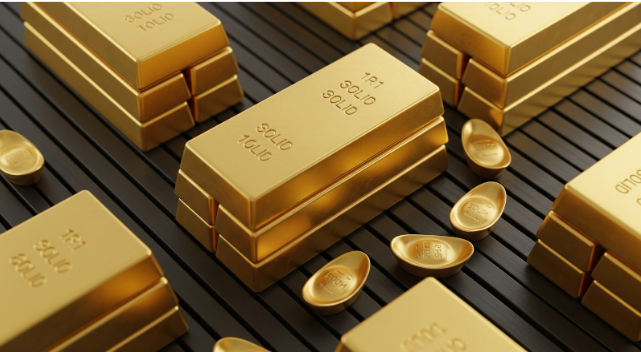

Gold prices surged to an all-time high of $3,508.50 per ounce on Tuesday, lifted by mounting expectations of a Federal Reserve interest rate cut later this month. The rally underscores investor appetite for safe-haven assets as markets anticipate monetary easing and hedge against economic uncertainty. Silver also held near its highest levels in 14 years, extending gains from Monday’s rally. Analysts say both metals are benefiting from growing confidence that the Fed will pivot toward looser policy, a move that typically weakens the dollar and lowers yields, making non-yielding assets like bullion more attractive.
Fed Expectations Drive Precious Metals Higher
The push past $3,500 comes as traders price in the likelihood of a rate cut to counter slowing growth. According to futures data, investors now see the odds of a September cut as high, with inflation showing signs of easing and labor market data softening. Lower rates reduce the opportunity cost of holding gold and silver, helping to explain the steep climb in recent weeks.
Demand has also been boosted by central bank purchases and geopolitical concerns. Emerging-market banks have increased reserves, while ongoing trade tensions have reinforced the appeal of hard assets. Combined, these factors created momentum that helped gold reach levels unthinkable just months ago.
Why Rate Cuts Lift Gold Prices
When the Federal Reserve cuts interest rates, it reduces the return investors can earn on interest-bearing assets like bonds and savings accounts. That shift makes non-yielding assets like gold more attractive because the “opportunity cost” of holding gold falls.
There are several key channels through which this dynamic works:
- Lower yields boost gold’s appeal. Gold does not pay interest or dividends, so when Treasury yields fall after a rate cut, investors lose less by holding bullion.
- A weaker U.S. dollar supports demand. Lower rates often weaken the dollar by reducing returns on dollar-denominated assets. A softer dollar makes gold cheaper for foreign buyers, lifting global demand.
- Gold hedges against inflation. Rate cuts aim to stimulate growth but can also raise inflation expectations. Because gold is viewed as a store of value, demand rises when investors anticipate higher prices for goods and services.
- Safe-haven demand increases. A rate cut can signal deeper economic concerns, prompting investors to buy gold as protection against volatility or instability.
This combination of factors explains why gold prices often surge when markets expect the Fed to ease policy. Silver, which benefits from similar safe-haven flows and also has industrial uses, tends to follow the same pattern.
Investor Reaction and Market Outlook
Market strategists note that the rally in gold and silver could invite profit-taking if the Fed signals caution on the scale or pace of rate cuts. Still, longer-term demand appears underpinned by structural trends such as central bank diversification, rising geopolitical tensions, and persistent currency risks. Silver’s parallel rise, near levels last seen in 2011, adds to the view that precious metals are experiencing a broad-based upswing.
For investors, the question is whether current levels mark the start of a new phase in the metals bull market or the peak of a rally fueled by speculation. Those seeking portfolio protection see gold as an essential hedge against inflation, dollar weakness, and volatility. Others warn that if the Fed moves less aggressively than markets expect, prices could fall back below $3,500.
The current environment leaves investors facing a choice: chase momentum in gold and silver or wait for a pullback. Either way, the record-setting surge underscores how powerful central bank policy expectations remain in shaping commodity markets.
Do you believe gold prices will continue climbing, or will a Fed move spark a reversal? Tell us what you think.