
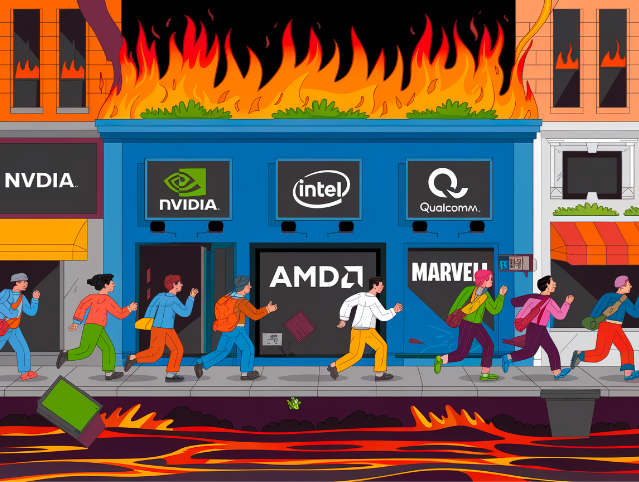

The warning signs of a market crash are becoming too loud to ignore. Analysts point to valuations stretched to bubble territory, debt-fueled speculation, and weakening fundamentals across several sectors. For investors, the critical question is how to prepare before the correction arrives. Taking steps now may protect portfolios from sharp losses and create opportunities once prices reset.
A market crash often follows periods where optimism overrides caution. Analysts at Fortune warn that current equity prices look dangerously overvalued compared to corporate earnings. Seeking Alpha adds that five bubble signals, from declining market breadth to excessive leverage, are already flashing. When these conditions align, even small shocks can trigger widespread selling. Investors who adopt disciplined strategies now stand a better chance of weathering the storm.
The Rising Risks of a Market Crash
The potential drivers of a crash extend across the economy. Growth is slowing, debt burdens are climbing, and central banks maintain restrictive interest rates. These conditions pressure both households and companies, raising doubts about the sustainability of record-high markets. Investor sentiment, which once fueled momentum, now looks fragile as inflation and global uncertainty weigh on confidence.
For many, the temptation is to ride the rally as long as possible. But history shows that ignoring structural risks leads to sharper losses when corrections hit. Defensive positioning does not require abandoning equities altogether. It requires identifying the difference between temporary rallies and sustainable gains, then adjusting exposure accordingly.
The Investors’ Survival Guide to an Upcoming Market Crash
Preparation starts with raising cash to create flexibility. When a crash comes, having liquidity allows investors to buy assets at discounted prices. Another step is diversifying into less-correlated holdings, such as bonds, gold, or cash equivalents, which may hold steadier during equity downturns. Above all, survival depends on discipline. Following the crowd into speculative trades can be costly, while contrarian investors often benefit by seeking value overlooked in overheated markets.
Investors should also set realistic expectations. No one can time the exact peak or predict the precise trigger for a crash. The focus should be on resilience, not prediction. By emphasizing risk management and avoiding narratives that justify unsustainable valuations, investors reduce the odds of panic-driven mistakes.
A market crash need not be catastrophic for prepared investors. Corrections create opportunities for those holding cash and discipline while punishing those who chase late gains. Surviving the downturn requires facing the warning signs directly and planning ahead.
How should investors prepare for a market crash that experts warn is approaching? Tell us what you think.