
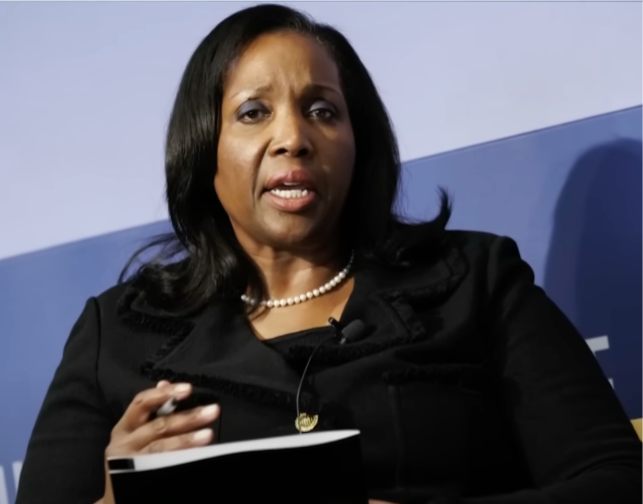

Image source: YouTube
President Donald Trump’s move to fire Governor Lisa Cook and his public push to remove Chair Jerome Powell have put the Federal Reserve independence into the market’s crosshairs. Investors prize the central bank’s insulation from external issues because credible, apolitical policy keeps inflation expectations anchored and rate paths predictable. Today’s developments suggest politics could steer decisions that should follow data, and traders are quickly repricing risk.
Markets reacted because personnel choices shape policy outcomes. If leaders feel pressure to follow the White House, bond desks assume tighter control from politics and weaker control from the Fed. As a result, rate expectations wobble, equity risk premia rise, and the dollar swings as global investors reassess U.S. credibility. Therefore, even talk of removals can move prices before any legal fight concludes.
Why Federal Reserve Independence Anchors Markets
Federal Reserve independence protects policy from election cycles and short-term political incentives. When officials defend that norm, investors trust forward guidance, and companies plan capex with confidence. However, headlines about firing a sitting governor and targeting the chair trigger fears of a precedent that weakens that norm. Moreover, history shows that when central banks lose independence, inflation and volatility often climb. Consequently, fund managers quickly hedge rate risk and trim exposures most sensitive to policy shocks.
Credit markets illustrate the point. If the next committee faces political demands for easier money, long yields may initially fall on growth concerns, then rise if inflation risk builds. Alternatively, if leadership turns more hawkish under pressure, recession odds could jump as policy tightens into weakness. Either path injects uncertainty that investors dislike. Federal Reserve independence reduces those tail risks; threats to it expand them.
Short-Term Shock: Yields, Dollar, and Equities
In the near term, traders focus on positioning. Bond volatility usually picks up first. Therefore, desks buy duration hedges, add swaptions, and shorten the curve where needed. The dollar can rally on safe-haven flows, then fade if credibility concerns dominate. Meanwhile, rate-sensitive equities, especially housing, regional banks, and high-multiple growth, face pressure as discount rates swing. Additionally, financials that rely on stable curves can underperform when policy signals turn noisy.
Options markets often price wider ranges after attacks on Federal Reserve independence. Consequently, volatility strategies gain relevance. Investors seeking defense rotate toward cash-rich, low-beta names and sectors with pricing power. However, energy and staples leadership depends on the growth outlook; a hard policy error could hurt cyclicals while aiding defensives. Therefore, selection matters more than broad factor bets.
Long-Term Cost: Credibility, Inflation, and Capital Allocation
The bigger risk is structural. If Federal Reserve independence erodes, inflation expectations could drift higher, raising the economy’s neutral rate. That shift would compress equity multiples and raise hurdle rates for investment. Moreover, frequent leadership turmoil would blunt guidance and weaken the dot plot’s signal value. Consequently, business planning cycles shorten, and productivity suffers as firms delay projects.
International capital also watches governance. Global investors reward institutions that separate policy from politics. If the U.S. looks less predictable, funding costs could creep up at the margin, and the dollar’s privilege could face periodic tests. While legal challenges to firing a chair may succeed, markets move on probability, not legal theory. Therefore, even uncertain threats to Federal Reserve independence carry pricing power today.
Portfolio strategy balances both timelines. In the short run, maintain liquidity, use volatility thoughtfully, and avoid crowded duration bets. Over the long run, favor companies with strong free cash flow, flexible financing, and durable pricing power. Additionally, diversify across assets that benefit if inflation volatility persists, including real assets and selective floating-rate exposure. Above all, monitor policy signals that either restore or weaken Federal Reserve independence, because the market’s multiple now depends on that credibility.
As politics tests Federal Reserve independence, will you tilt toward defense or buy the dip in rate-sensitive assets? Tell us what you think.