
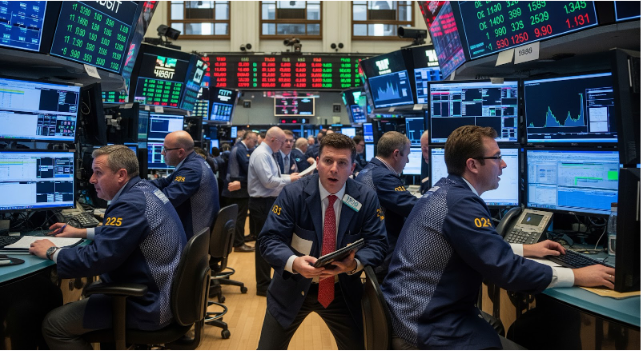

Investors scan the tape and see reasons to flinch. Princeton economist Burton G. Malkiel, a leading voice on long-term indexing, argues the stock market feels scarier by the day. He tells investors to follow process, not noise, and to resist timing the next swing. Treat fear as a risk signal so you can execute a rules-based plan that matches your time horizon and cash needs. We’ll lay out the drivers of anxiety, a clear countercase, and a practical path that you can run without second-guessing every headline.
What Drives Stock Market Fear Now
Valuations stretch history in several popular yardsticks, which leaves less room for error if profits slow. When investors pay more for each dollar of earnings, small disappointments can trigger larger price moves. That setup raises the penalty for surprises and rewards selectivity. It also tempts investors to seek shelter at the wrong time, which often hurts long-run results.
Rates stay higher than many recent cycles. A meaningful yield on cash and quality bonds raises the hurdle for equities. When safe assets pay more, investors demand more from stocks to justify the risk. That simple math can compress multiples even when revenue holds steady. It also changes the role of fixed income inside portfolios, since bond income can now fund rebalancing during drawdowns.
Leadership looks narrow. A handful of mega-cap names power a large share of index returns. Narrow leadership can work for long stretches, yet it raises concentration risk if sentiment turns on a few giants at once. Indexes can fall even if many smaller companies tread water, because weight tilts toward the leaders. That imbalance argues for thoughtful diversification rather than a binary bet for or against the winners.
Policy and macro risk persist. Investors face shifting trade rules, antitrust scrutiny, fiscal debates, and geopolitical tension. Changes in tariffs, data policy, or drug pricing can move margins without much warning. Supply shocks still threaten input costs and delivery times. These moving parts do not guarantee a downturn, yet they complicate forecasting and widen the range of outcomes that markets must discount.
The Countercase: Why A Crash Is Not Inevitable
Earnings continue to support prices. Many companies beat forecasts and guide with cautious confidence. Firms tied to productivity gains, automation, and data spend show the strongest momentum, and their cash flows fund buybacks and dividends. Those uses of cash help offset multiple pressure and cushion setbacks. Strong labor markets and steady demand reduce the chance of a deep recession and buy time for balance sheets to adjust.
History favors patience over precision timing. A small set of powerful up days drives a large share of long-term equity returns. Investors who jump in and out often miss those bursts and never catch up. Malkiel’s work underscores this pattern and calls for continuous contributions into low-cost, broad funds. That approach accepts short-term noise while compounding the market’s long-run premium.
Market structure also offers tools to manage risk without abandoning growth. Investors can dial exposure through position sizing, rebalance rules, and the mix of factor sleeves. Those choices can trim volatility and keep plans on track without extreme moves. The aim is not to predict every twist, but to shape the ride so investors can stay invested through it.
A Rules-Based Plan You Can Hold
First, set a target mix across stocks, bonds, and cash that you can hold through stress. Size equities so you can stomach a 20 to 30 percent drawdown without selling. Use investment-grade bonds and short-duration cash as ballast, not as a market call. A plan you can hold beats a brilliant plan you abandon.
Second, automate behavior. Dollar-cost average on a fixed schedule into diversified index funds. Rebalance when any sleeve drifts beyond preset bands, such as five percentage points. These two habits force you to trim strength and add to weakness. Automation turns discipline into a system and removes the need to guess.
Third, diversify leadership risk. Keep core exposure to broad indexes, then add equal-weight, mid-cap, and small-cap sleeves. Include international developed and, if your mandate allows, selective emerging markets. Diversification does not guarantee gains, yet it reduces the chance that one theme breaks the plan. You do not need to bet against winners to reduce single-name risk.
Fourth, stress-test for higher-for-longer rates. Assume elevated policy and market yields for planning purposes. Check that your expected equity returns still make sense under those assumptions. Use bond income and cash interest to fund rebalancing during equity volatility. That practice helps you buy when prices fall without new contributions.
Fifth, write clear sell rules. Sell to rebalance when a sleeve breaches its band. Sell for fundamentals when a holding breaks the thesis. Avoid sales driven by fear alone. Document these rules and review them quarterly. Clarity speeds action when markets move fast.
Finally, fence off speculation. If you pursue tactical ideas, cap them at a low single-digit slice of the portfolio. Review them on a fixed cadence rather than in response to every headline. That fence keeps your core plan intact while you explore opportunities.
Investor Takeaways
For many intrepid investors, warning signs are only for the weak-hearted. But for level-headed ones, here are some guides to keep your head above water during these times:
- Stay invested, avoid timing. Missing a few big up days cripples long-term returns. Automate contributions and rebalancing.
- Diversify leadership risk. Concentration in a few mega-caps lifts volatility. Add equal-weight, mid-cap, and international sleeves.
- Use higher yields. Cash and high-grade bonds now pay meaningful income. Funnel interest and coupons into rebalancing.
- Size equities for stress. Hold only as much stock as you can ride through a 20 to 30 percent drawdown.
- Fence off speculation. Keep tactical bets small so they never derail your core plan.
Are you scared of the stock market right now? Will you adjust your allocation now or stick to your rules-based plan? Tell us what you think.