


US demand for oil intensified this month as the economy is now coming to life. Consequently, crude oil tanks in Cushing, Oklahoma are running out of reserves. Unfortunately, current high prices of oil contracts are going to help keep reserves low.
RELATED: Crude Oil Prices Go Down As COVID Fears Return
US Demand for Oil Surges
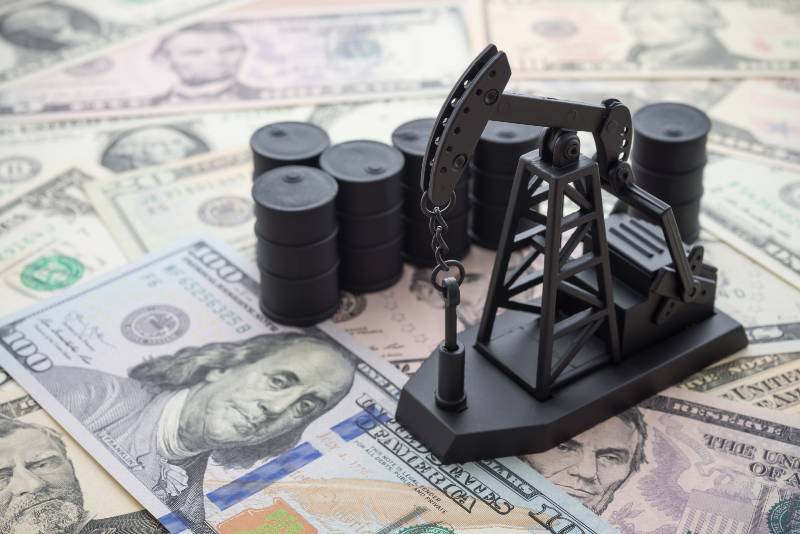 With the economy reaching pre-pandemic activity, US demand for oil is surging. In addition, the demand from other countries is also surging. This means some nations are actively seeking to purchase crude oil from the United States. In both cases, oil stocks in Cushing and other hubs are getting cleaned out. In particular, the Cushing facility used to be the largest and most significant storage hub for US oil. With activity shifting to the Gulf states, Cushing is less important now, especially since the US exports around 3 million barrels a day. While the drain on US oil inventories, analysts are quick to point out that this is a short-term issue. This can also inflate US crude oil prices, which are already 25% higher than the last two months. However, the difference between West Texas Intermediate and the Brent international standard should remain slim. “Storage at Cushing alone has the potential to really rally the market to the moon,” according to Bob Yawger, director of energy futures at Mizuho.
Stockpiles Down to 27.2 Million Barrels
The stockpile in Cushing is now down to 27.3 million barrels. This is the lowest level since October 2018, according to the Energy Information Administration. In comparison, stocks were almost double that in 2020. Meanwhile, Gulf inventories are at 247 million barrels as of last week. Exactly two years ago, there were 224 million barrels in inventory. As US demand for oil kept going up, Cushing stocks were the first to go. Domestic refiners tried to keep local crude at home to provide fuel such as gasoline and distillates to American consumers. This is according to Reid I’Anson, the senior commodity analyst at Kepler. Also, US oil production slowed down compared to 2020 rates. By 2019, the US produced around 13 million barrels of oil per day (BPD). However, recent weeks saw production slow down to less than 11.5 million BPD. Refinery production also decreased by 1%.
Spread Between Brent and WTI Narrowing
As inventories declined while US demand for oil increases, the spread between WTI crude and Brent keeps getting smaller. From $4.47 earlier his October, the gap is now around $1.09 a barrel. In an additional sign of high short-term demand for US crude, the WTI’s premium for delivery this December versus December 2022 reached a high this week of $12.48 per barrel. This is the most since at least 2014, according to Refinitiv.By the end of the year, analysts expect US crude production to jump to 500,000 to 600,000 barrels per day. This would outpace production gains of 300,000-400,000 BPD. In turn, this will keep the spread between the two benchmarks narrow. “Only if OPEC (the Organization of the Petroleum Exporting Countries) intervenes with more supply of crude or if COVID rears its ugly head again, curbing demand, this high volatility will come off,” said Mukesh Sahdev. He is the senior vice president and head of downstream at Rystad Energy.Watch the Arirang News video reporting that crude oil prices climb to 7-year highs on expectations global supplies will remain tight:
What do you think of decreasing stocks of crude oil in the country? Is this a good thing or the opposite? Let us know what you think. Share your thoughts below.