

Source: YouTube
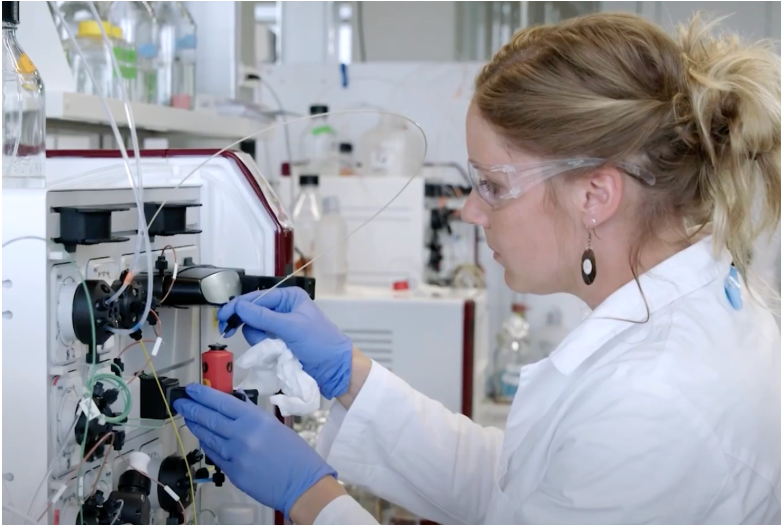
Swiss pharmaceutical giant Roche has announced a $50 billion U.S. investment over the next five years, marking one of the largest foreign commitments in the healthcare sector. The plan includes building new research and development sites, opening and expanding manufacturing facilities across four states, and creating more than 12,000 new jobs. Roche’s expansion targets key regions like Indiana, Pennsylvania, Massachusetts, and California. It also includes a still-undisclosed site that will house a 900,000 square-foot facility to support the company’s fast-growing weight loss medicine portfolio.
This investment comes as President Donald Trump intensifies pressure on international pharmaceutical firms to shift production to the United States. With the administration threatening to revoke the industry’s long-standing exemption from import tariffs, several multinationals are racing to build U.S. capacity. Roche’s move mirrors similar efforts by Novartis and Eli Lilly, which are also expanding their American operations.
According to CEO Thomas Schinecker, the new spending package reflects a long-term commitment to American innovation and manufacturing. “Our investments will lay the foundation for our next era of growth, benefiting patients in the U.S. and around the world,” he said in a statement.
What the Investment Covers and Why It Matters
Roche’s plan includes far more than job creation. It involves significant capital allocated toward research hubs that focus on artificial intelligence and new therapies for cardiovascular and metabolic diseases. A dedicated site for continuous glucose monitoring will also be established in Indiana.
In addition to the 1,000 jobs created directly within Roche, the company estimates that over 11,000 new roles will be needed to support its growing U.S. manufacturing network. Nearly 6,500 of those will be in construction alone.
With this investment, Roche is preparing to export more pharmaceuticals from the United States than it imports. That would flip its trade position for the first time, a notable development in a political climate increasingly focused on reducing America’s trade deficits.
The scale of this investment is strategic. Roche generated nearly half of its global revenue from the U.S. market in 2024. Making its supply chain more localized could shield it from future trade disruptions and enhance its access to government procurement deals under America-first policies.
Roche already has a large footprint in the country, with more than 25,000 employees, 15 research centers, and 13 manufacturing sites. This new investment solidifies its U.S. operations as central to the company’s long-term plans.
Is Big Pharma Still a Smart Investment?
For investors, Roche’s announcement is another signal that the pharmaceutical sector remains committed to U.S. expansion—even as it faces regulatory uncertainty and pricing scrutiny. Companies are doubling down on local production not only to avoid tariffs but to meet rising demand for personalized medicine, diagnostics, and weight management drugs.
Roche’s rivals have also been active. Novartis recently pledged $23 billion for new U.S. facilities. Eli Lilly and Johnson & Johnson have made similar moves, suggesting that the pharmaceutical sector views American-based manufacturing as a growth catalyst rather than a regulatory hurdle.
Investors may wonder whether these large capital outlays will dilute short-term returns. But history suggests the opposite. When pharma firms ramp up domestic manufacturing, they often gain political goodwill, tax incentives, and preferred access to healthcare infrastructure.
For those looking at long-term portfolio growth, Big Pharma’s U.S. investment wave could offer solid returns. Companies like Roche are aligning themselves with national policy priorities, insulating themselves from future trade risks, and positioning for the next era of medical innovation.
Is Roche’s $50 billion U.S. investment a sign that Big Pharma remains a strong long-term play? Tell us what you think!
Survey