
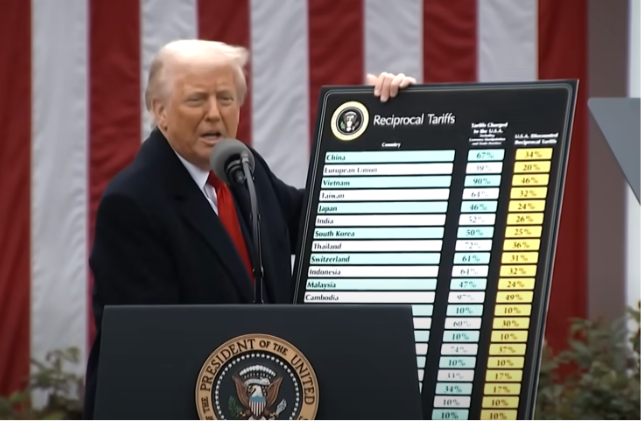

U.S. businesses face another round of policy-driven uncertainty after President Donald Trump unveiled new tariffs on imports from 14 countries, including key trade partners in Asia and Africa. While the White House delayed implementation until August 1, the letters sent by Trump on Monday outlined duties as high as 40% and made it clear that future retaliation would be met with further escalation.
These “reciprocal” tariffs replace the 10% baseline set during the 90-day negotiating window that began in April. According to administration officials, the new rates are designed to punish countries with persistent trade surpluses and barriers to U.S. exports. Trump framed the tariffs as an incentive for foreign manufacturers to shift production to the United States.
New Tariff Targets and Rate Breakdown
The countries named in Trump’s letters include Japan, South Korea, Malaysia, South Africa, Bangladesh, Cambodia, and others. Japan and South Korea face uniform 25% tariffs. Myanmar and Laos were hit with 40% rates, while Cambodia and Thailand received 36%. South Africa and Bosnia and Herzegovina were notified of 30% tariffs, with lower rates assigned to the remaining nations.
The White House clarified that these duties will not stack with sector‑specific tariffs already in place, such as the 25% tariff on autos and the 50% tariff on steel and aluminum. That assurance, however, did little to calm financial markets.
Why the August 1 Deadline Matters
The executive order signed Monday extends the deadline for most of the new tariffs by three weeks. Trump characterized the August 1 date as “firm,” but suggested that further changes remain possible if foreign governments respond with new proposals. This extension buys time for ongoing trade talks with Japan, South Korea, Malaysia, and Thailand, all of which have indicated a willingness to negotiate.
From a business-planning perspective, the August 1 date creates a temporary window to accelerate shipments, shift sourcing, or secure pricing before costs rise. However, the limited duration and policy unpredictability leave little room for long‑term strategy.
Sector Impacts and Investor Reactions
Trump’s tariff announcements triggered immediate sell‑offs in equities tied to global trade. The Dow fell 422 points on Monday, while the S&P 500 and Nasdaq each posted their worst day in three weeks. Japanese automakers with U.S.‑listed shares saw losses of 3% to 7%. Treasury yields also rose, raising the specter of higher borrowing costs for businesses already facing margin pressure.
Several industries now face exposure. Japan and South Korea are leading suppliers of autos, semiconductors, and pharmaceutical inputs. Bangladesh, Indonesia, and Cambodia are core sources of apparel and accessories. Malaysia is the second‑largest exporter of semiconductors to the U.S., while South Africa is a critical source of platinum.
Trump’s old and new tariffs, while framed as a negotiating tool, also serve a fiscal role. Administration officials confirmed that tariff revenues will help fund the tax cuts signed into law last July 4. This policy approach shifts the cost burden to importers and potentially to end consumers.
Big Business Decisions Ahead
The U.S. government has promised country‑specific trade plans, but the lack of finalized deals and the risk of sudden policy shifts make decision‑making difficult. Business leaders now face a tactical choice: absorb higher costs, shift supply chains, or lobby for exemptions. For some firms, the three‑week delay offers a chance to front‑load imports. Others may view the extension as too short to warrant a major operational pivot. What remains clear is that tariff risk is now a central variable in business strategy through the third quarter.
Which strategy offers the best return for companies navigating Trump’s new tariff plan before August 1? Tell us what you think.
Survey