
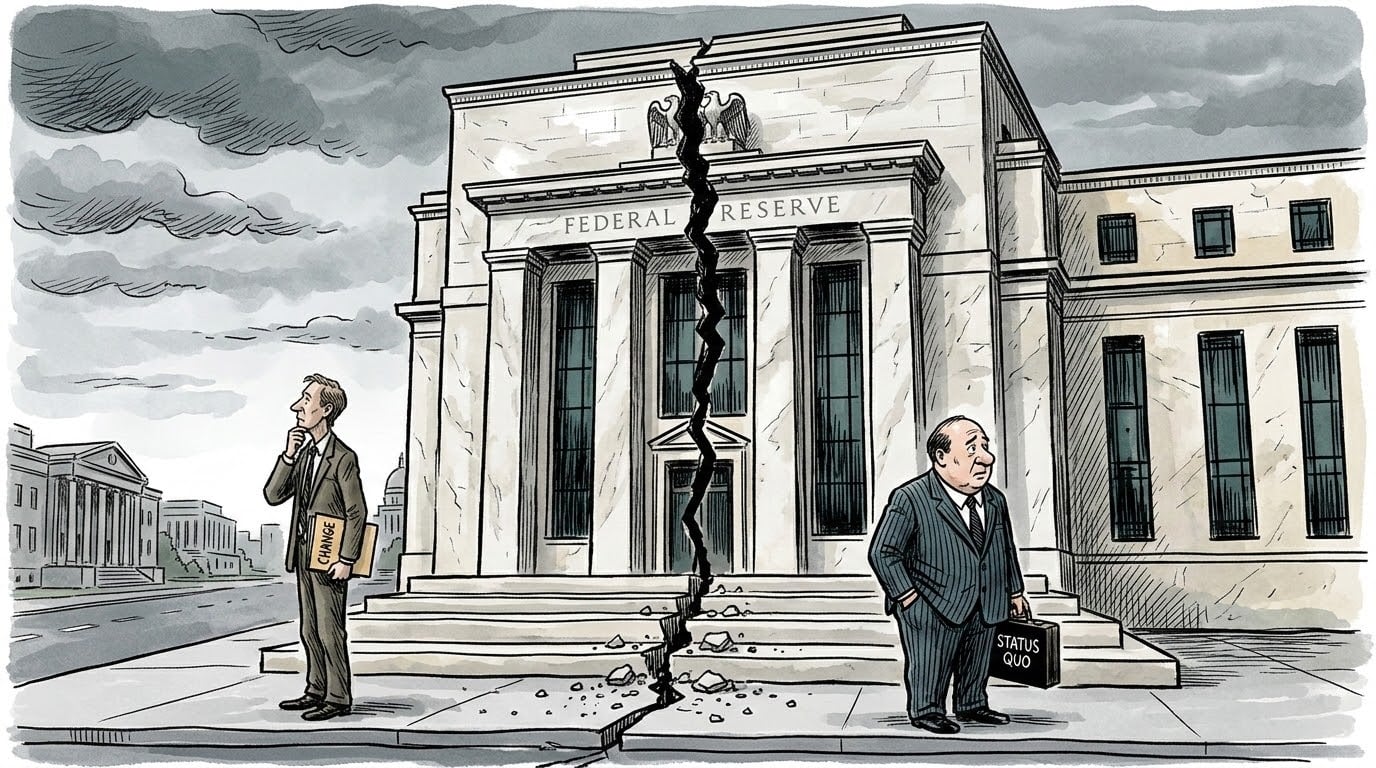

QUICK SUMMARY: Kevin Warsh becomes the new Federal Reserve chair on May 15, 2026. He inherits a deeply divided FOMC following an 8-4 vote. Warsh’s policy agenda includes ending forward guidance, shrinking the $6.7 trillion balance sheet, and redefining the 2% inflation target. Investors should prepare for increased volatility in growth stocks and long-duration bonds ahead of his first rate decision on June 16, 2026.
The Federal Reserve is changing leadership in eight days. Kevin Warsh takes over on May 15, 2026. The committee he inherits just voted 8-4 on a routine rate hold. This represents the most internal conflict at the Fed since October 1992.
The 8-4 split signifies the deepest ideological divide within the FOMC in over three decades. This number matters because the new Federal Reserve chair has no honeymoon period. He faces an inflation rate running at 3.3% annually as of March and a June 16 rate meeting that the market is watching like a second inaugural address.
New Federal Reserve Chair Kevin Warsh Takes Over on May 15
The Senate Banking Committee approved Warsh’s nomination 13-11. When confirmed, Warsh takes the seat currently held by Stephen Miran. Crucially, former Fed chiefJerome Powell intends to remain on the Board of Governors through early 2028. This means the former chair and the new chair will sit at the same table during the June 16 meeting.
“The addition of Kevin Warsh to the FOMC will not swing the balance between doves and hawks,” said Josh Jamner, senior investment strategy analyst at ClearBridge Investments. His arrival will change who runs the meeting, sets the agenda, and controls the forward-looking narrative.
Why Did the FOMC Split 8-4 and What Does the Conflict Mean for You?
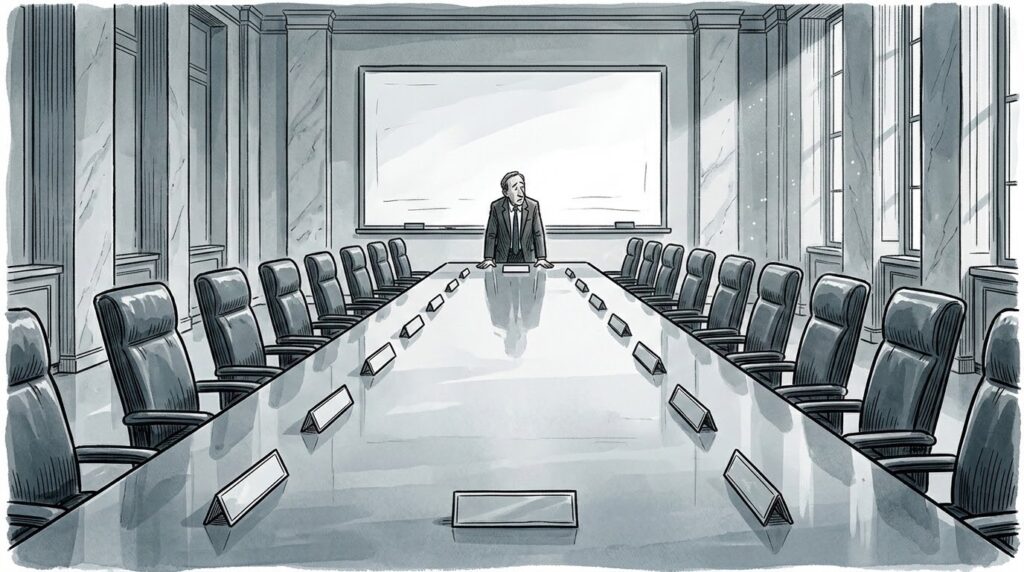
The April 29 meeting produced four dissents in opposite directions. Governor Stephen Miran wanted an immediate cut. Governors Beth Hammack, Neel Kashkari, and Lorie Logan refused to sign off on language suggesting cuts were coming.
This level of dissent suggests that committee members are prepared to defy the incoming chair to protect their policy stances. Uncertainty regarding this divide could lead to renewed volatility in fixed income portfolios.
What Are the Three Fed Policy Changes Promised by the New Federal Reserve Chair?
Based on his Senate Banking Committee testimony, Warsh is preparing to change the Fed’s communication regime.
- Ending Forward Guidance: Warsh has pledged to eliminate the “dot plot.” Investors have used this quarterly chart to price equities for years. Without this anchor, growth stocks whose valuations depend on rate predictability face significant repricing risk.
- Shrinking the $6.7 Trillion Balance Sheet: Warsh views the Fed’s holdings as unhelpful. Historical data show that when the Fed aggressively reduces its balance sheet, yields rise. In 2022, the Bloomberg U.S. Aggregate Bond Index lost 13%. This was the worst performance in its history.
- Redefining the Inflation Target: Warsh prefers “price stability” over a hard 2% target. This provides structural permission to keep rates higher for longer without needing to justify a specific numerical miss.
For readers wanting to stress-test their allocation, Morningstar Premium offers a portfolio analysis tool that models duration risk. Additionally, Malkiel’s A Random Walk Down Wall Street remains a vital text for navigating bond exposure.
Is the Case for Staying Invested Stronger Than the Transition Noise?
History suggests caution before overreacting. Investors who repositioned during the Bernanke or Yellen transitions systematically underperformed those who held their index positions. Warsh is only one vote on a 12-member committee.
The S&P 500 is up 7% for the year. Furthermore, 84% of reporting companies have beaten earnings estimates by an average of 12.3% according to recent data. The market has shown remarkable resilience despite the internal Fed divide.
Should You Rebalance Your Portfolio Before the June 17 Meeting?
Your strategy relies heavily on your retirement timeline:
- 10+ Years to Retirement: Hold your allocation. Rebalance only if your drift exceeds 5%. The index generally absorbs personnel changes over time.
- Within 5 Years of Retirement: The June 16 meeting is a sequence-of-returns risk event. Consider moving toward short-duration alternatives like iShares SHY or Vanguard VGSH.
- Growth-Heavy Portfolios: Stress-test your positions now. If your thesis requires rate cuts in 2026 to stay solvent, your thesis is at risk.
For behavioral grounding, Morgan Housel’s Same as Ever is an essential partner for maintaining perspective during transitions.


Remember: the most important date is not May 15. It is June 16, 2026. This meeting will reveal if the new Federal Reserve chair can lead a house divided or if the market must brace for unanchored volatility.
Frequently Asked Questions:
Who is the new Federal Reserve chair
Kevin Warsh is set to become the new Federal Reserve chair on May 15, 2026. He previously served on the Fed’s Board of Governors from 2006 to 2011.
What is the significance of the 8-4 FOMC vote?
The 8-4 FOMC composition is the most divided vote since 1992. This suggests internal conflict that could make consensus-building difficult for the new chair.
What happens to the “dot plot” under Kevin Warsh?
Warsh has stated he intends to end forward guidance. This includes the dot plot, which investors use to forecast interest rate paths.